The body naturally produces collagen by breaking down dietary protein into amino acids, which are then reassembled into collagen fibers.
While there are at least 28 different types of collagen, roughly 80% to 90% of the body's supply consists of Types I, II, and III. Type I is found predominantly in the skin, bones, and tendons; Type II is concentrated in cartilage; and Type III supports reticular fibers, often alongside Type I.
As the body ages, natural collagen production steadily decreases. This decline can lead to common signs of aging, such as skin wrinkles, joint discomfort, and weaker bones.
While it is possible to get enough collagen through diet alone, doing so can be challenging. Natural dietary collagen is found exclusively in animal connective tissues, such as cartilage, bone marrow, tendons, and bone broth, which are not typically staples in the modern diet. Supplementation offers a simple, reliable way to bridge this gap.
It's always best to consult with a healthcare professional to determine if collagen supplementation is appropriate for your specific needs.




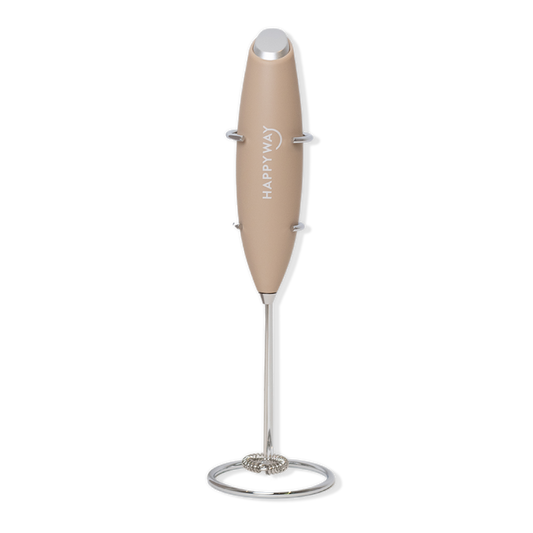
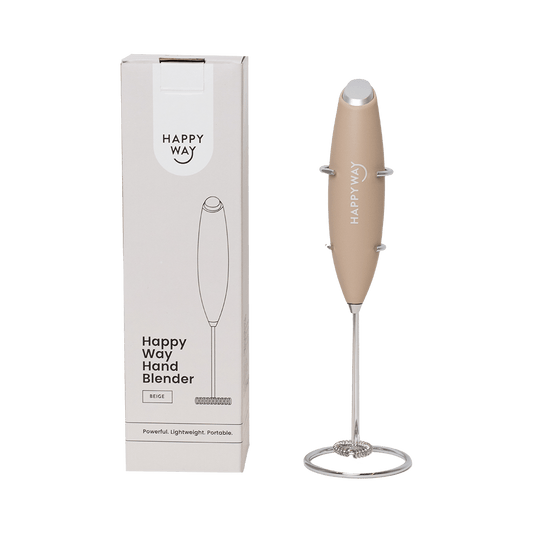 20% offRegular price $18.00 AUDSale price $14.40 AUD Regular priceUnit price per