
It's the age old question. Does vegan protein powder actually help you get enough protein? Short answer: Absolutely.
If you're vegan, vegetarian or simply eating more plant-based meals, getting enough protein doesn't have to be difficult, but it does require a little more intention.
Hi, I’m Heidi from Heidi Rose Nutrition, and protein is something I talk about with my clients all the time. Protein plays an important role in maintaining muscle, supporting tissue repair and making up many of the enzymes, hormones and other structures in the body.
One of the easiest ways to increase your protein intake is to become familiar with a few protein-rich plant foods, and have a good vegan protein powder on hand for those days when food alone isn't quite cutting it.
But there’s another piece of the puzzle worth understanding, and that’s leucine.
Why Does Leucine Matter?
Leucine is an essential amino acid, meaning your body can't make it and you need to get it through your diet. It's one of the amino acids involved in stimulating muscle protein synthesis, the process your body uses to repair and build muscle tissue. This is particularly important if you're exercising regularly and want to support strength and maintain muscle as you age.
Plant foods do contain leucine, but the amount varies between different protein sources. This is one reason why eating a variety of plant-based protein sources is helpful. You may have heard that you need to hit a specific "leucine threshold" at every meal, but I don't think this is something most people need to obsess over.
Instead, focus on the bigger picture: getting enough total protein throughout the day and including a variety of protein-rich foods.
What Are Some Good Vegan Sources of Protein?

There are plenty of plant foods that contain protein, but some are much more concentrated sources than others.
Tempeh is a great option, providing around 19g of protein per 100g, while firm tofu provides roughly 12–17g per 100g depending on the variety. Edamame provides around 12g per 100g, and cooked lentils and chickpeas provide around 9g per 100g.
Nuts and seeds can also contribute a decent amount of protein. Hemp seeds contain around 30g per 100g and pumpkin seeds around 30g, although it's worth remembering that these foods are also quite energy-dense because they're higher in fat.
The point isn't to memorise these numbers. It's simply to recognise which foods are going to give you a meaningful protein boost.
For example, adding tofu or tempeh to a stir-fry, lentils to a pasta sauce or edamame to a rice bowl can make a big difference to the protein content of your meal.
How Much Protein Do You Need?

There's no one protein target that works for everyone.
For active adults who exercise regularly, around 1.2–1.6g of protein per kilogram of body weight per day can be a useful general guide. However, protein requirements are individual and can be higher or lower depending on factors such as training load, body size, age and goals.
As an example, for a 65kg active adult, this range would equate to roughly 78–104g of protein across the day. This is simply an example rather than a personalised recommendation, they may require less or more.
Rather than trying to eat a huge amount of protein at dinner, I prefer to think about spreading it across your meals.
Breakfast, in particular, is often where people fall short. A breakfast of toast with avocado or a piece of fruit might be nutritious, but it doesn't provide much protein. Adding tofu, soy yoghurt, hemp seeds or a vegan protein powder can turn it into a much more substantial meal.
And this is where protein powder can be really handy.
Why Use A Vegan Protein Powder?

You don't need protein powder to eat a healthy vegan or vegetarian diet. But it can be a very convenient way to boost your protein intake without having to prepare another meal.
A smoothie with plant milk, berries and chia seeds might only provide a modest amount of protein. Add a scoop of vegan protein powder and you've instantly made it a much more protein-rich option.
You can also mix Happy Way's Vegan Protein Powder through oats, chia pudding or yoghurt, or use it in pancakes and baking. For busy mornings, it's one of the easiest ways to make protein less of an afterthought.
Why Pea and Rice Protein? 
If you've ever looked at a vegan protein powder label, you'll often notice that it contains a blend of different plant proteins. There's a reason for this. Different plant proteins have different amino acid profiles, so combining sources can provide a more complementary protein profile.
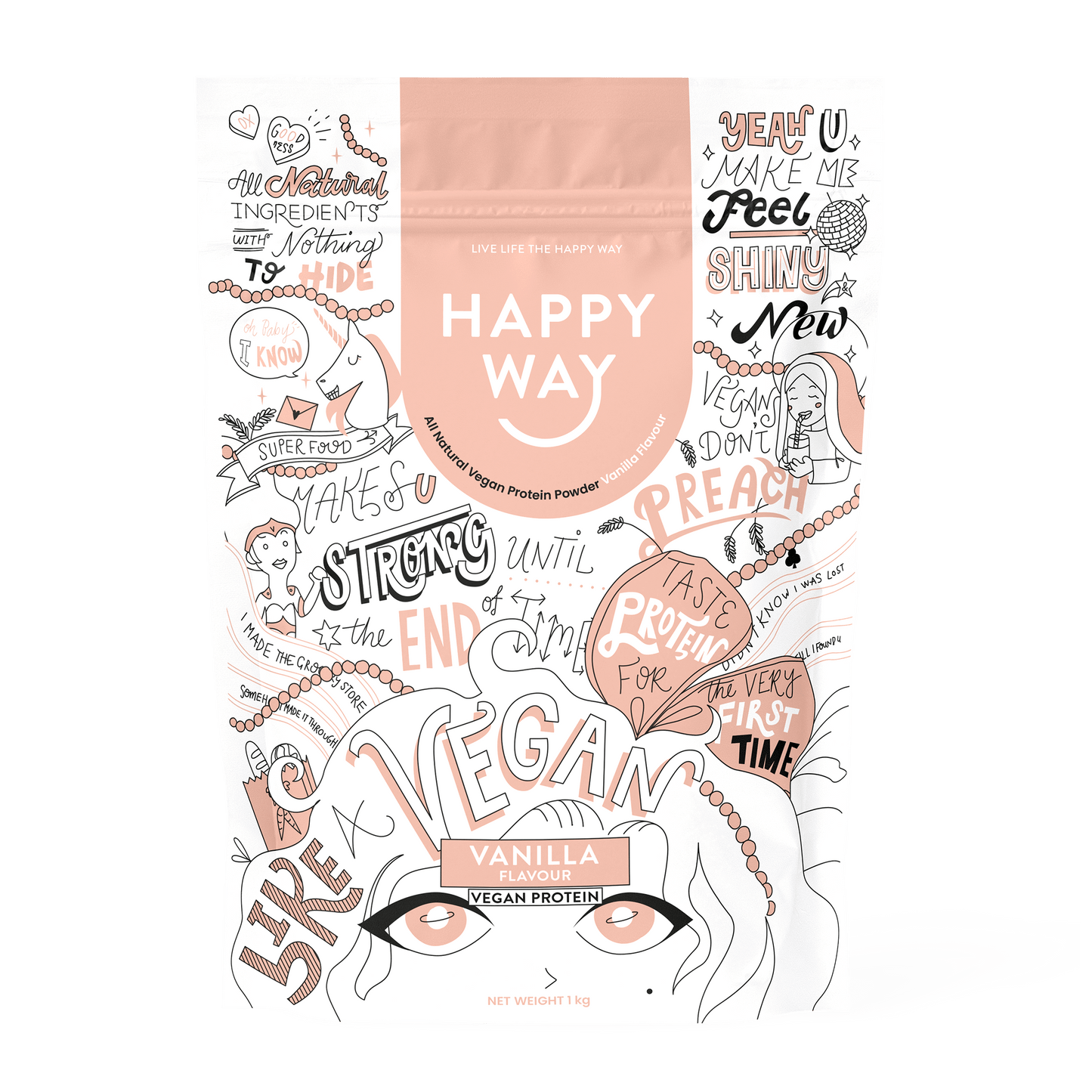
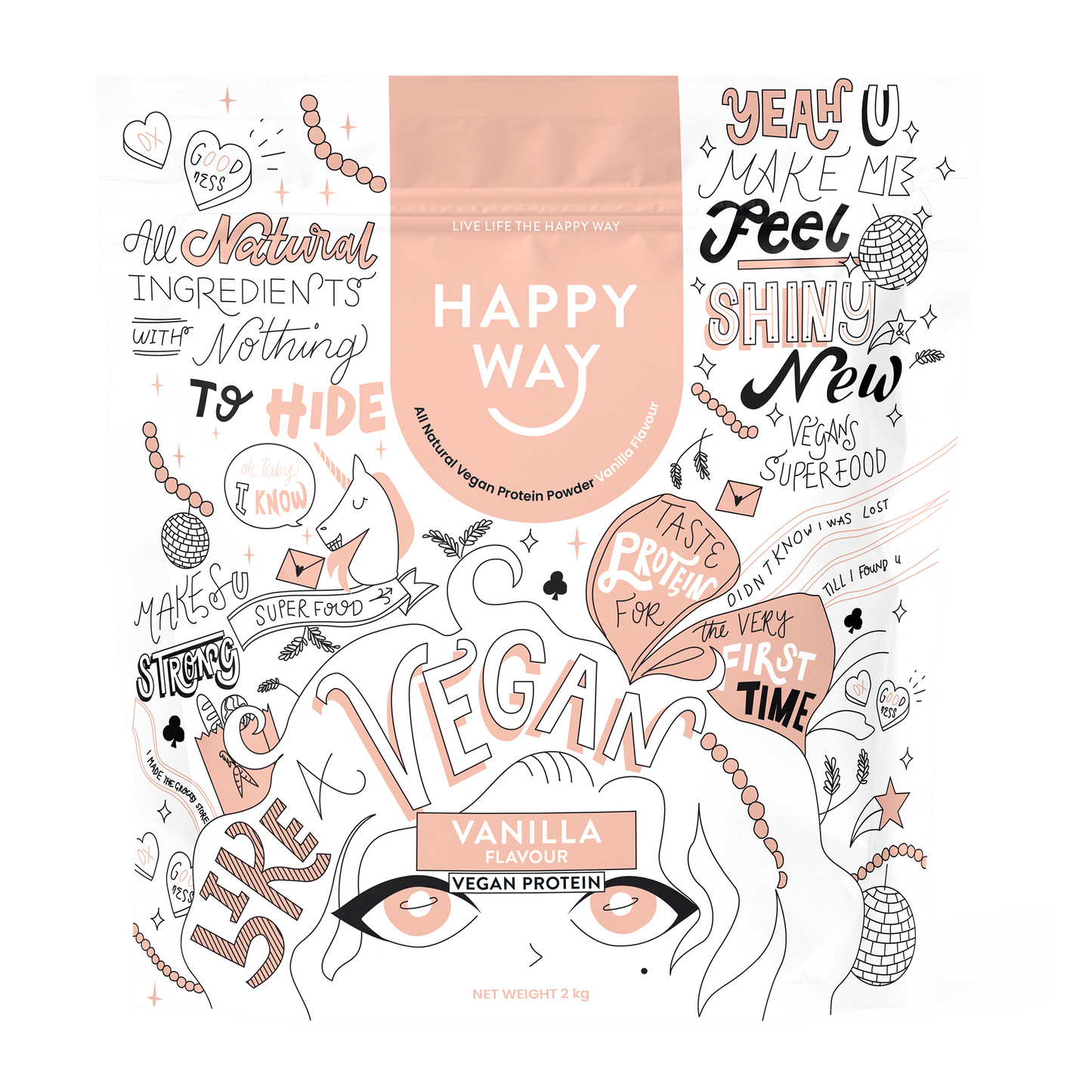
Happy Way's Vegan Protein combines organic yellow pea protein and brown rice protein, making it an easy way to add a concentrated source of plant-based protein to your day. And that's really how I like to think about protein powder. It's not about replacing nutritious whole foods. It's about making your overall diet easier.
My take as a nutritionist If you're vegan, vegetarian or simply trying to eat more plant-based, you don't need to make protein complicated. Start with the meals you're already eating and ask yourself: "Where is my protein?"
Maybe it's tofu in your stir-fry, lentils in your pasta sauce, edamame in your rice bowl or hemp seeds added to breakfast. And on the days when you're busy, travelling, training or simply don't have the time to prepare another protein-rich meal, a vegan protein powder like Happy Way can be a really simple way to bridge the gap.
You don't need to obsess over hitting the perfect number at every meal. Focus on variety, consistency and making protein a regular part of your day. Because eating more plant-based doesn't have to mean eating less protein, it just means being a little more intentional about where you're getting it from.
A note from Heidi: The protein recommendations in this article are general guidelines only and aren't intended to replace personalised nutrition advice. Your protein needs will vary depending on your age, body size, activity levels, health and individual goals.
If you're pregnant, breastfeeding, managing a health condition or have specific dietary requirements, it's always best to seek personalised advice from an appropriately qualified health professional.
A well-planned vegan or vegetarian diet can absolutely provide enough protein, but variety is important. It's also worth considering other nutrients that can require a little more attention when eating predominantly or entirely plant-based, including vitamin B12, iron and calcium.
With love, Heidi Rose Nutrition