
When most women think about menopause, they picture the day their periods stop.
But what often gets overlooked is the transition leading up to it: perimenopause.
Perimenopause can begin as early as your late 30s or early 40s and last anywhere
from four to ten years. During this time, your hormones don't simply decline, they
fluctuate. Oestrogen can rise and fall unpredictably, while progesterone gradually
decreases as ovulation becomes less consistent.
These hormonal shifts are behind many of the symptoms women experience,
including irregular periods, disrupted sleep, mood changes, brain fog, hot flushes
and changes in body composition, particularly increased fat storage around the
abdomen.
As your hormones change, so do your nutritional needs. The eating habits that may
have worked effortlessly in your 20s and 30s often need adjusting in your 40s and
beyond. One nutrient becomes especially important during this stage of life and that's (drumroll, please) protein!
We caught up with certified nutritionist Heidi Rose to unpack why protein plays such a key role during perimenopause, how much you actually need, and simple ways to make sure you're getting enough to support your body through the transition.
Why Protein Becomes Non-Negotiable During Perimenopause

One of the biggest changes during perimenopause is the gradual loss of muscle
mass and bone density.
Oestrogen plays a protective role in maintaining both. As levels fluctuate, women can begin losing muscle more rapidly, which can contribute to reduced strength, changes in body composition and a slower metabolism. Bone turnover also
increases, raising the long-term risk of osteoporosis. This is where protein becomes one of your greatest allies.
Getting enough protein each day helps to:
- Support muscle growth and maintenance
- Preserve bone health alongside calcium and vitamin D
- Keep you fuller for longer
- Support more stable blood sugar levels and reduce energy crashes
- Reduce cravings by slowing digestion and promoting satiety
Research suggests women in perimenopause may benefit from aiming for
around 1.2-1.6g of protein per kilogram of body weight each day, depending on
their activity levels.
Great sources include eggs, Greek yoghurt, fish, chicken, tofu, legumes, cottage
cheese and quality protein powders. And remember, protein works best when it's paired with resistance training.
Lifting weights is one of the most powerful things you can do during perimenopause. It helps stimulate the muscles and bones that oestrogen once helped protect, making the combination of nutrition and strength training incredibly powerful.
Oestrogen, Blood Sugar & Why Carbohydrates Feel Different
Have you ever found yourself wondering why you're suddenly craving sugar more
often or feeling tired after meals?
Fluctuating oestrogen can reduce insulin sensitivity, meaning your body may not process carbohydrates quite as efficiently as it once did. This can leave you feeling hungrier, experiencing afternoon energy slumps, or noticing changes in body composition despite eating similarly to how you always have.
The answer isn't to eliminate carbohydrate, it’s about choosing them wisely.
Focus on fibre-rich, minimally processed carbohydrates such as:
- Colourful vegetables
- Lentils and chickpeas
- Oats and quinoa
To help keep blood sugar steady, try pairing carbohydrates with a source of protein
and healthy fats at each meal. This simple habit can support more consistent energy,
improved fullness and fewer cravings throughout the day.
Don't Forget Healthy Fats

Healthy fats are another nutrient that deserve a place on your plate. They're essential for hormone production, help your body absorb vitamins A, D, E and K, and provide important anti-inflammatory omega-3 fats that support both heart
and brain health.
Aim to regularly include foods such as:
- Extra virgin olive oil
- Avocado
- Nuts and seeds
- Chia and flaxseeds
- Oily fish like salmon and sardines
Fibre: Your Gut's Secret Weapon

Your gut does far more than digest food, it also plays an important role in hormone
health.
A healthy gut helps your body process and eliminate excess oestrogen efficiently.
When gut health is compromised, hormones can be recycled back into the body,
which may contribute to ongoing hormonal symptoms.
Most women aren't eating enough fibre, yet it's one of the simplest ways to support
both gut and metabolic health.
Aim for around 25-35g of fibre each day by including:
- Plenty of vegetables
- Fruit, especially berries
- Legumes
- Wholegrains
- Nuts and seeds
Prebiotic foods like garlic, onion, leeks and asparagus also help nourish your
beneficial gut bacteria, while staying well hydrated allows fibre to do its job
effectively.
Putting It Into Practice

Supporting yourself through perimenopause doesn't have to mean overhauling your
entire diet overnight. Start by aiming for more protein at each meal, building your plate around fibre-rich carbohydrates and healthy fats, and incorporating regular resistance training.
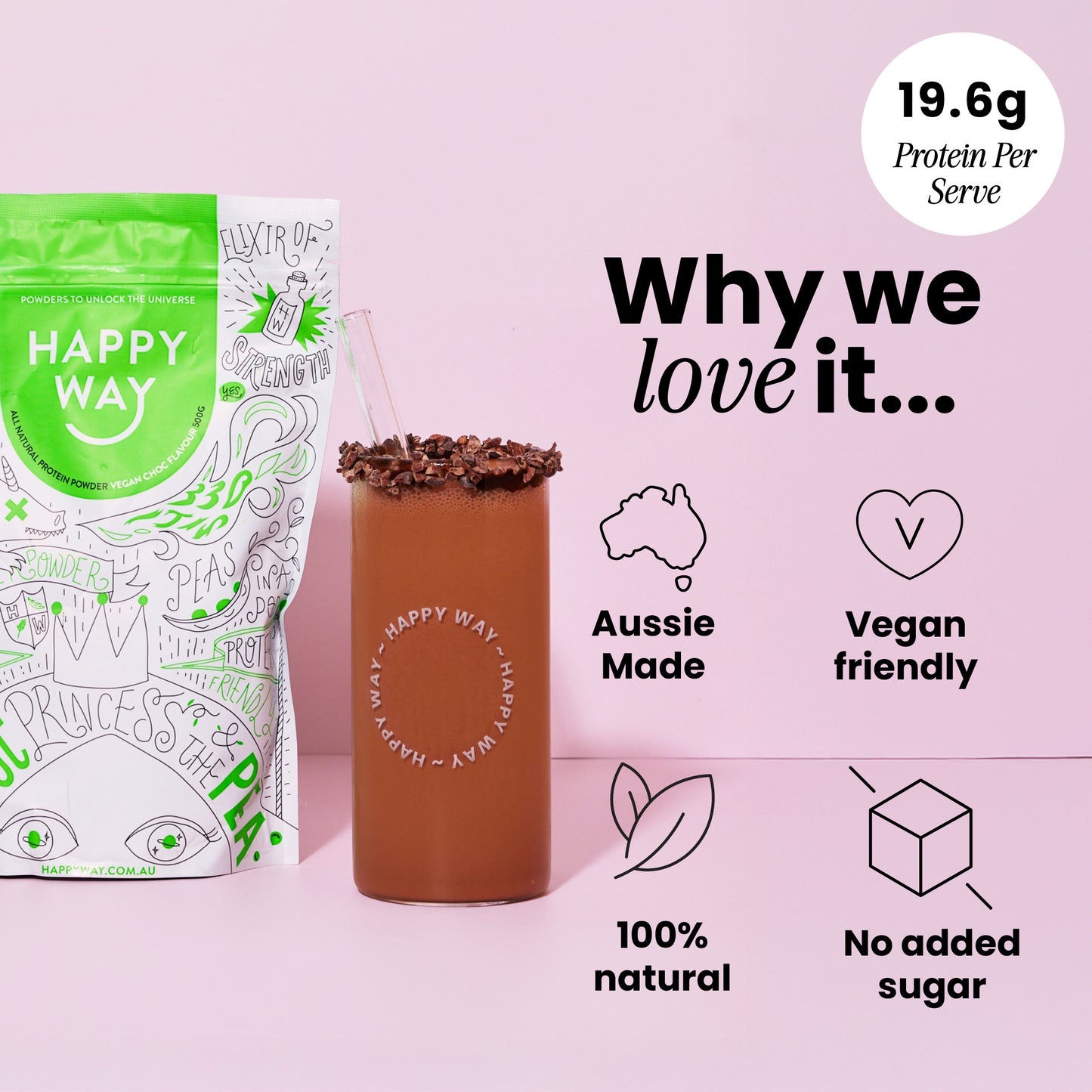
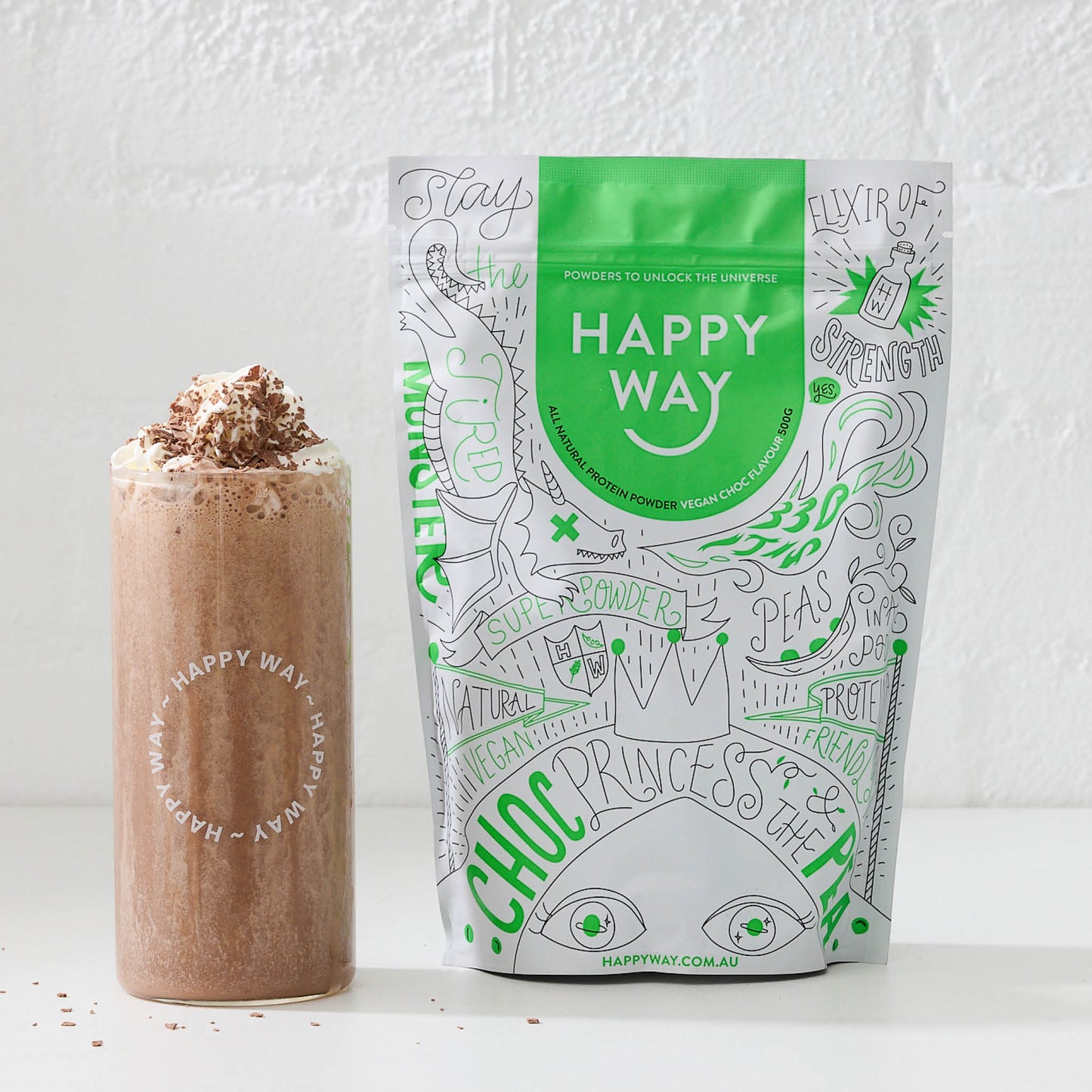
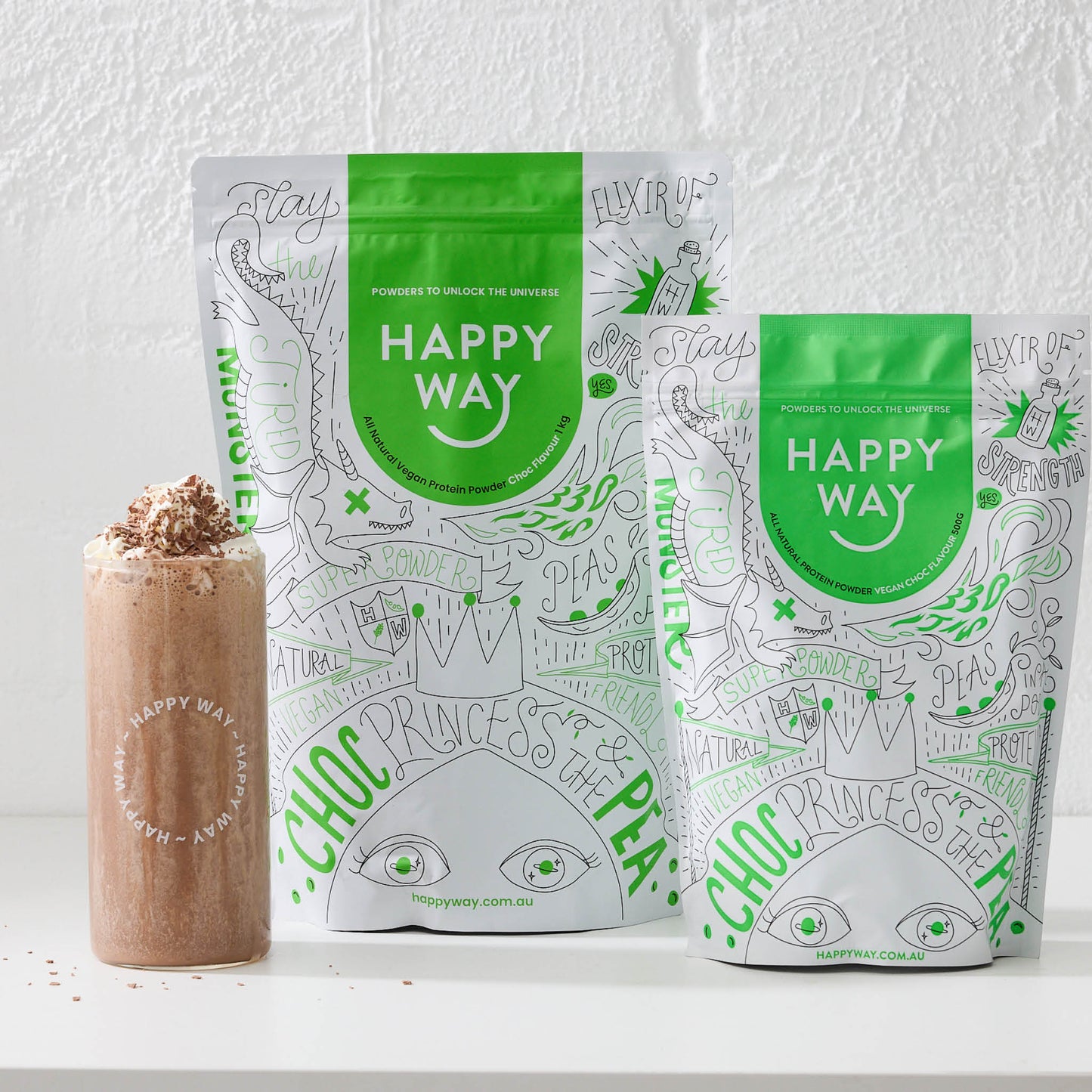
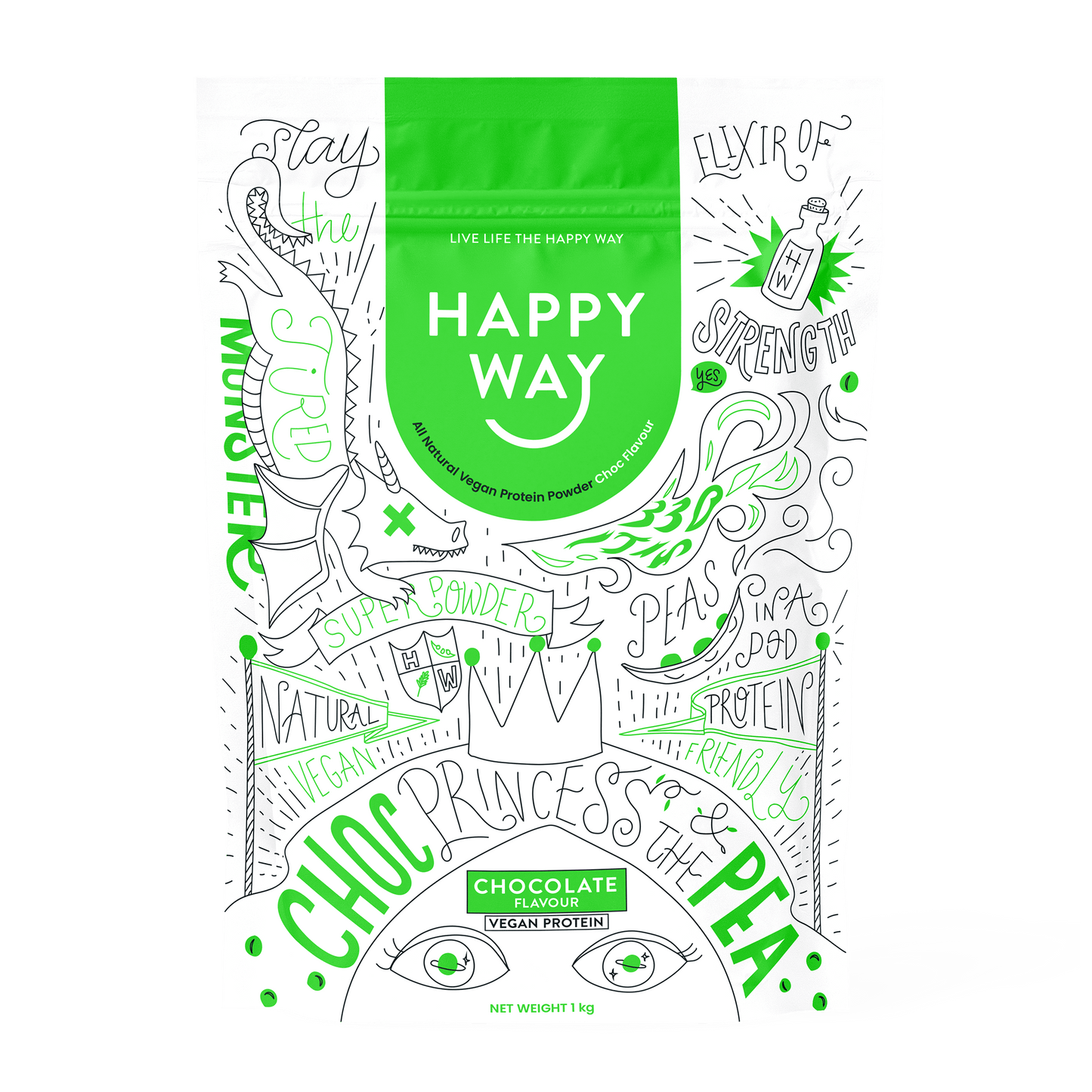
If you're struggling to hit your protein or vegetable intake consistently, convenient
options like Happy Way's Like a Vegan Protein and Super Greens Powder can
help fill the gaps on those busier days.
Small, consistent habits are what make the biggest difference over time. Your
hormones may be changing, but with the right nutrition, you can support your body to
feel stronger, more energised and well-nourished through every stage of the journey.
Try This: Berry Protein Chia Pudding

Serves: 1
INGREDIENTS
- 3 tbsp chia seeds
- 1 cups unsweetened almond milk (can add more if needed)
- 1 scoop Happy Way Vanilla or Chocolate Protein
- 1⁄2 tsp vanilla extract
- 1⁄2 tsp ground cinnamon (optional)
- 1⁄2 cup mixed berries
- 1 tbsp almond butter
- 1 tbsp hemp seeds or pumpkin seeds (optional, for an extra boost of protein
and healthy fats)
METHOD
- In a jar or bowl, whisk together the almond milk, Happy Way Protein and
vanilla extract until smooth. - Stir in the chia seeds (and cinnamon, if using).
- Let the mixture sit for 5–10 minutes, then stir again to prevent the chia seeds
from clumping. - Cover and refrigerate overnight, or for at least 4 hours.
- Top with the mixed berries, almond butter and hemp or pumpkin seeds before
serving.
Why it works: This nourishing breakfast combines protein, fibre and healthy fats to
help support muscle maintenance, keep you feeling fuller for longer and promote
steady energy throughout the morning. It's an easy, make-ahead option that's perfect
for busy mornings during perimenopause.
Your next Step
Perimenopause isn't something to simply "get through", it's an opportunity to support
your body differently. Prioritising protein, resistance training, fibre-rich carbohydrates and healthy fats can help you maintain muscle, support hormone health, stabilise energy and feel your best throughout this transition.
Small, consistent changes often make the biggest difference. And sometimes,
something as simple as adding more protein to your breakfast is the perfect place to
start.
Love, Heidi x

This article is for general educational purposes only and is not intended to replace
personalised medical or healthcare advice. Please consult your healthcare
practitioner for individual support.