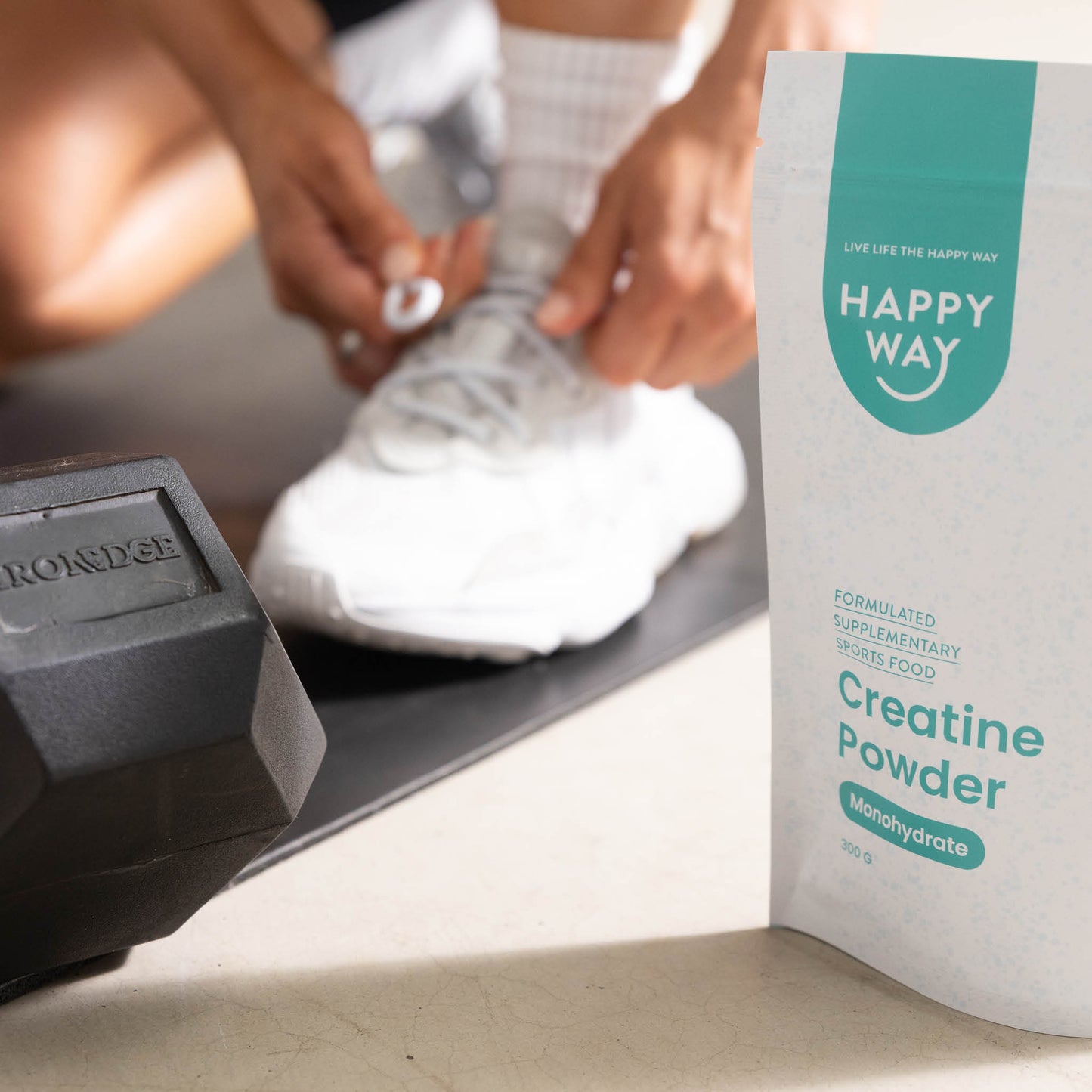

Whether you’re brand new to supplements or you’ve been around for a while, creatine is having a serious moment. It’s popping up in smoothies, stirred into morning coffees, and front and centre in your favourite influencer’s “that girl” routine.
But… is it actually worth the hype? Or just another wellness trend of the month?
We asked Heidi, Nutritionist and Women’s Health Coach at Heidi Rose Nutrition to help us break it down. Because here’s the thing, creatine isn’t just for gym goers anymore. Emerging research shows it may support energy production, muscle recovery, cognitive function and even healthy ageing.
So ladies, if you’ve been curious but unsure if it's for you, you’re not alone. Read the full blog to discover what creatine really does, who it’s for, and whether it deserves a spot in your daily routine.
WHAT IS CREATINE?

Creatine is a naturally occurring compound made from amino acids. Your body stores most of it in muscle, with a small amount stored in the brain.
Its main job is to help your body produce ATP (adenosine triphosphate). ATP is essentially your body’s energy currency, it powers everything from muscle contractions to brain function. When ATP runs low, fatigue sets in. Creatine helps your cells regenerate ATP more efficiently, which supports both physical and mental performance.
WHY IS CREATINE SO POPULAR RIGHT NOW?

For years, creatine sat firmly in the “sports supplement” category but newer research has expanded our understanding of its role beyond exercise performance.
Creatine is now being studied for its role in:
- Muscle strength and recovery
- Cognitive performance and mental fatigue
- Stress and sleep resilience
- Healthy ageing and bone health
- Hormonal life stages
WHY IS CREATINE GETTING ATTENTION BY WOMEN?

If you’re in your mid-30s or beyond, you may have started noticing subtle shifts in your energy, focus or recovery.
You might feel more mentally tired after busy workdays. You may notice workouts feel a little harder to bounce back from or maybe brain fog has started appearing out of nowhere.
As we move into our late 30s and 40s, hormones begin to change, particularly oestrogen. While we often think of oestrogen as a reproductive hormone, it also plays a powerful role in brain function and the nervous system.
Oestrogen helps brain cells produce energy efficiently, supports memory and learning, and protects brain cells from everyday stress and inflammation.
As levels begin to fluctuate during perimenopause, many women may notice:
- Brain fog
- Reduced concentration
- Mental fatigue
- Lower motivation
- Changes in mood
These changes are increasingly being linked to shifts in how the brain produces and uses energy. This is where creatine enters the conversation.
One research review, Creatine Supplementation in Women’s Health: A Lifespan Perspective, found that creatine plays an important role in fuelling your cells, helping support energy in both muscle and brain tissue.
Remember how we talked about ATP earlier? Creatine helps regenerate this energy molecule and because the brain is one of the most energy-hungry organs in the body, this matters more than we once realised.
In simple terms, creatine helps support the body’s energy systems at a cellular level, which is one of the reasons it’s now being discussed far beyond the gym world.

HOW MUCH CREATINE SHOULD YOU TAKE?
The research-backed dose is simple: 3–5 g of Happy Way's Creatine Powder per day.
Benefits typically build over 2–4 weeks as stores gradually increase.
WHEN SHOULD YOU TAKE CREATINE?
Timing isn’t critical, creatine works through daily saturation.
You can take it:
- Before or after training
- In the morning or afternoon
- On rest days
EASY WAYS TO ADD CREATINE INTO YOUR DAY

Happy Way's Creatine Monohydrate Powder is flavourless and easy to mix. Try adding it to:
- A protein smoothie
- Water or juice
- Your post-workout shake
If you struggle to drink enough water or simply prefer something with a little flavour, the Happy Way Tropical Creatine Powder can make your daily routine feel a lot easier. With its light, refreshing taste (think cordial, just without the added sugar), it turns your creatine powder into something you’ll actually enjoy sipping.
And when it comes to creatine, consistency matters. Finding a version you genuinely like can make all the difference so then you actually stick to it daily and get the most out of it.
DOES CREATINE CAUSE WEIGHT GAIN OR BLOATING?
Creatine can for some people cause a small increase in body weight in the first few weeks, but this is not body fat.
Creatine pulls water into muscle cells, which:
- Supports muscle function
- Improves strength and recovery
- Helps muscles stay hydrated
This is called intracellular water retention, and it’s part of how creatine works. It’s not the same as bloating, which happens in the digestive system. It's important to note that most people don’t experience digestive bloating when taking the recommended dose.
Creatine is actually one of the most researched supplements out there, and is now recognised for its benefits that go well beyond gym performance. For many women, it can be an easy daily addition to help support energy, recovery and overall wellbeing.
That said, supplements are never the full picture.
Creatine can support your body’s energy systems, but you can’t out-supplement chronic stress, poor sleep or constantly skipping meals. The foundations still matter most. Regular, balanced meals, adequate protein, quality carbs, strength training, good sleep and stress support are what create the environment where supplements can actually do their job.
Think of creatine as a helpful extra, not the main character. Food, lifestyle and daily habits will always come first. Supplements simply sit on top of those foundations

Heidi x
Disclaimer
This article is for general educational purposes only and does not replace personalised medical or nutrition advice. Please consult your healthcare professional before starting any new supplement, particularly if you are pregnant, breastfeeding, have a medical condition or are taking medication.