
Life moves fast, and sometimes our bodies pay the price. Whether you're juggling
work deadlines, family demands, or simply not giving yourself permission to slow
down, many of us are operating in a state of chronic depletion.
If you've been feeling flat, foggy, unmotivated or just not quite yourself, we asked certified nutritionist Heidi Rose to share the subtle signs your body might be asking for more support and the simple steps you can take to start feeling like yourself again.
What Is Burnout?
 Burnout is more than just feeling tired. It's a state of physical, emotional, and mental
exhaustion that develops when the demands placed on us consistently outweigh our
capacity to recover.
When we're under ongoing stress, the body increases production of cortisol, our
primary stress hormone. Over time, this can affect energy, mood, sleep, appetite,
immunity, and recovery, leaving us feeling depleted and struggling to function at our
best.
Common contributors include:
- Prolonged work or caregiving demands
- Poor sleep quality
- Skipping meals or under-eating
- Lack of movement and time outdoors
- Poor boundaries and difficulty saying no
How Burnout Can Affect Your Appetite

One of the less-talked-about aspects of burnout is its impact on appetite.
You might notice:
- Reduced appetite, especially in the morning
- Cravings for sugary or salty foods
- Skipping meals because you're too busy or exhausted
- Digestive symptoms such as bloating or discomfort
- Feeling wired but tired throughout the day
While food won't solve burnout on its own, nourishing your body can provide the
foundation needed for recovery.
1. Prioritise Protein:
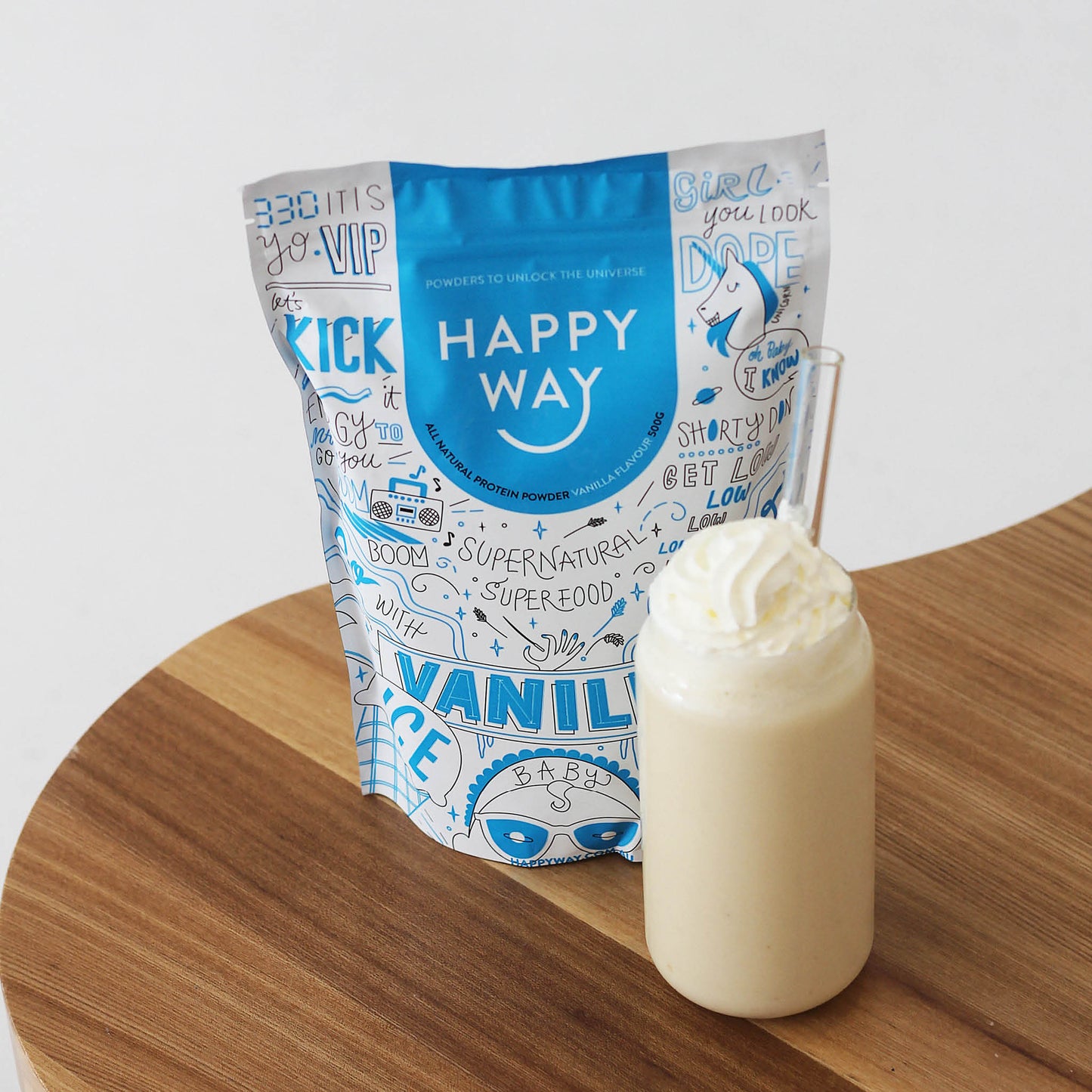
 Protein plays an important role in supporting energy, mood, blood sugar balance, and muscle maintenance, yet it's often the first thing to drop off when life gets busy. When cooking feels overwhelming, a smoothie can be a simple and nourishing option.
Consider building a smoothie around:
-
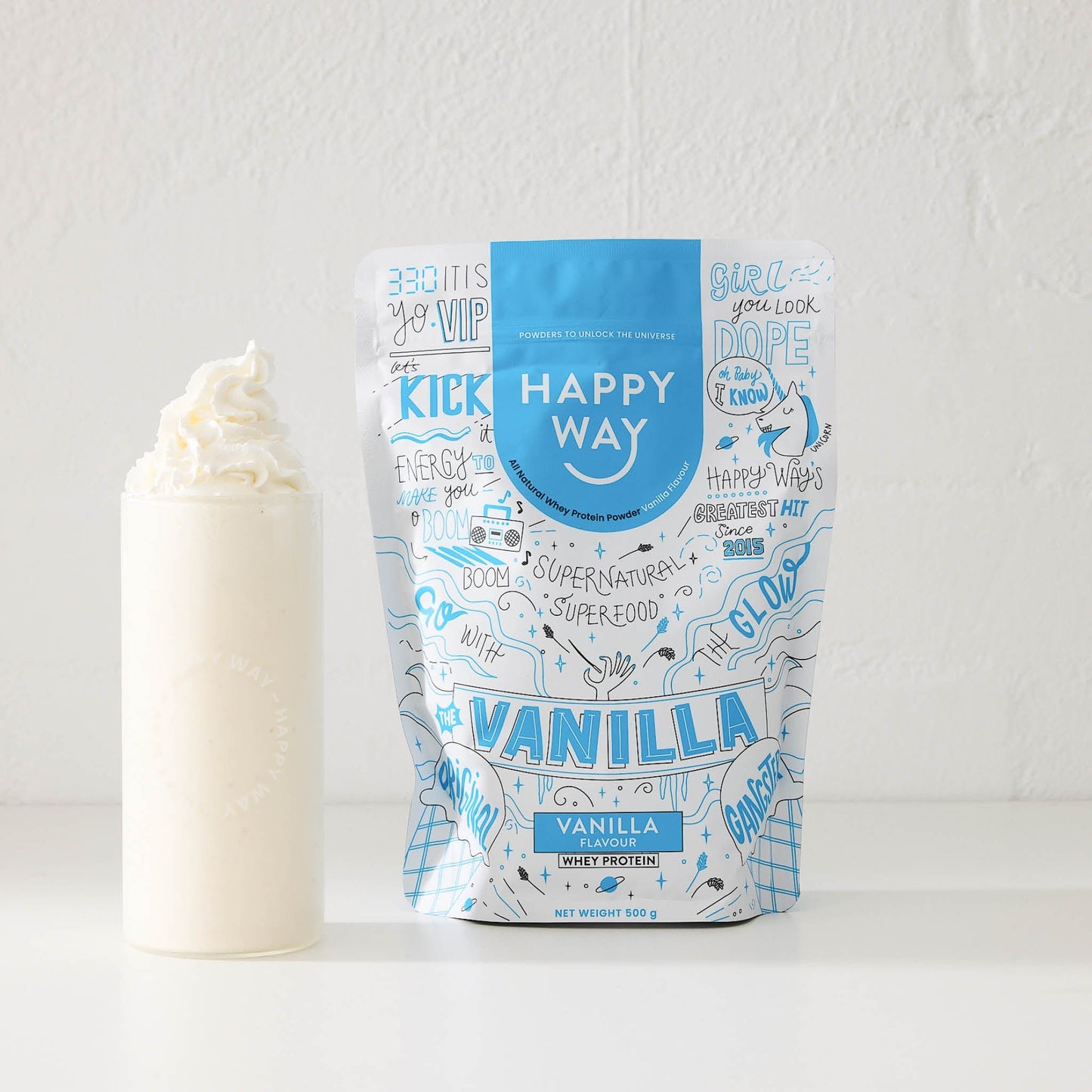
Happy Way Vanilla Whey Protein – provides high-quality protein to support
energy, muscle maintenance, and blood sugar balance. -
Happy Way Collagen – an easy way to boost your overall protein intake
while supporting skin and connective tissue health. -
Happy Way Creatine – best known for its benefits in exercise performance,
with emerging research also showing support for cognitive function and
mental fatigue. -
Hemp seeds – provide healthy fats and omega-3s that help support nervous
system health. -
Frozen berries – rich in antioxidants that help protect against oxidative stress
and support overall wellbeing. -
Greek yoghurt – adds extra protein and beneficial bacteria to support gut
health. -
Cinnamon – adds natural sweetness and may help support stable blood
sugar levels.
This combination provides protein, healthy fats, antioxidants, and key nutrients to
help support energy and recovery, without requiring much effort.
Even sipping on a smoothie through the morning can be a practical way to nourish
your body when a full breakfast feels like too much.
2. Lean Into Simple, Warming Meals

When you're exhausted, simple cooked meals are often easier to prepare, digest,
and enjoy.
Think:
- Soups
- Stews
- Casseroles
- Slow-cooked meats
- Roasted vegetables
These meals can be batch-cooked ahead of time, reducing the mental load of
deciding what to eat each day.
Focus on including:
- A quality source of protein
- Colourful vegetables
- Slow-releasing carbohydrates such as sweet potato, pumpkin, or legumes
- Herbs and spices like ginger and turmeric for flavour and variety
3. Make Time for Joy

Burnout isn't just about nutrition, it's also about supporting your nervous system.
Simple activities that bring joy can help your body shift into a more relaxed state:
- Singing or humming
- Dancing to your favourite music
- Laughing with friends or family
- Spending time outdoors
- Connecting with people who make you feel supported
These don't need to be big, planned activities. Even five minutes can make a
difference.
4. Set Boundaries
 No amount of good nutrition can fully compensate for a life with no space in it.
One of the most important parts of recovery is learning to protect your energy.
This might look like:
- Saying no to commitments that leave you feeling drained
- Scheduling time for rest and recovery
- Putting your phone away earlier in the evening
- Communicating your needs more clearly
Remember, every "yes" to something that depletes you is often a "no" to something
that restores you.
The Bottom Line
Burnout recovery isn't about doing more. It's about creating enough space,
nourishment, and support for your body to recover.
Start small. A protein-rich smoothie, a nourishing meal, a walk outside, or simply
saying no when you need to. These seemingly small choices can have a powerful
impact on how you feel over time.
You can't pour from an empty cup, but you can start refilling it, one nourishing choice
at a time.
Heidi

Disclaimer: This blog post is intended for general informational purposes only and
does not constitute medical or nutritional advice. If you are experiencing symptoms
of burnout or have concerns about your health, please consult a qualified healthcare practitioner.