
With the cooler weather settling in, it’s common to notice subtle shifts in how we feel. Energy can feel lower than usual, comfort food cravings tend to increase, and colds or bugs may seem more frequent.
That's why we asked certified nutritionist Heidi Rose to break down her favourite ways to support your body through the colder months. Because winter wellness doesn’t have to be complicated, it often comes down to getting the basics right and supporting your body with simple, consistent habits that help you feel your best throughout the chilly season.
HOW TO LOOK AT THE BIGGER PICTURE
While supplements can certainly play a supportive role during this time, true winter wellness is built on something more fundamental.
As a nutritionist, when a client comes to me feeling constantly exhausted, burnt out, or prone to frequent illness, I don’t focus on a single nutrient in isolation. Instead, I look at the bigger picture: the everyday habits, lifestyle factors, and foundational areas of health that work together to either support or drain the body.
I’m looking at:
- Sleep quality
- Stress levels
- Protein intake
- Blood glucose regulation
- Hydration
- Gut Health
- Overall nourishment
- Meal consistency
Because your immune system doesn’t work in isolation.
PROTEIN: MORE IMPORTANT THAN YOU REALISE

Protein is often associated with muscle recovery or gym goals, but it also plays an
important role in overall health and immune function.
Protein provides amino acids, which are considered the building blocks involved in
many processes within the body, including recovery, hormone production, enzymes,
and immune system function.
During winter, many people unintentionally skip meals, eat less balanced meals, or
rely more heavily on convenience foods when energy is low and routines feel busier.
This is where simple protein-rich meals and snacks can be helpful.
Examples include:
- Eggs on toast with avocado
- Greek yoghurt with berries and seeds
- Happy Way Protein smoothies
- Soups with shredded chicken or legumes
- Tuna and crackers
- Slow-cooked meats
- Happy Way Protein Quick Oats
Convenient options such as a protein smoothie featuring Happy Way Protein Powder or a cup of Happy Way Hot Choccy can also be an easy way to increase protein intake during busy periods or low-energy days.
SLEEP & IMMUNE HEALTH

Sleep is one of the most underrated foundations of overall health and wellbeing.
If you’re sleeping poorly, waking throughout the night, dealing with stress, hot
flushes, or getting less than 6 hours of sleep consistently, this can impact energy,
recovery, appetite regulation, and overall resilience.
Poor sleep can also influence food choices the next day, often leading to:
- Increased cravings
- More reliance on caffeine
- Sugar cravings
- Energy crashes
- Reaching for quick comfort foods
Creating a calming nighttime routine may help support better sleep quality.
This could include:
- Reducing bright lights at night
- Limiting late-night scrolling
- Dimming lights before bed
- Journaling or doing a “brain dump”
- Reducing caffeine later in the day
- Sipping on a warm Happy Way Vanilla Chai Hot Choccy as part of your evening
wind-down routine

Magnesium is also commonly used to support relaxation and may assist
with sleep quality in some individuals.
NUTRIENTS INVOLVED IN IMMUNE HEALTH

Rather than focusing on one “superfood” or quick fix, it can be helpful to look at
overall nutrient intake across the week.
Some nutrients involved in immune function include:
VITAMIN C
Vitamin C is involved in immune system function and acts as an antioxidant within
the body.
Food sources include:
- Kiwi fruit
- Berries
- Citrus fruits
- Capsicum
- Broccoli
ZINC

Zinc plays a role in immune function and wound healing.
Food sources include:
- Oysters
- Red meat
- Pumpkin seeds
- Legumes
- Nuts and seeds
VITAMIN D

Vitamin D is involved in immune health, mood, and overall wellbeing.
Sources include:
- Sunlight exposure
- Eggs
- Salmon
- Sardines
- Fortified foods
Some individuals may also benefit from discussing vitamin D testing with their
healthcare practitioner, particularly during winter months or if spending limited time
outdoors.
PROTEIN
Protein helps provide amino acids needed for many functions within the body,
including recovery and immune system support.
Sources include:
- Eggs
- Greek yoghurt
- Chicken
- Fish
- Tofu
- Legumes
ANTIOXIDANTS & POLYPHENOLS

These compounds help support overall health and help protect cells from oxidative
stress.
Food sources include:
- Berries
- Olive oil
- Herbs and spices
- Green tea
- Colourful vegetables
- Dark chocolate
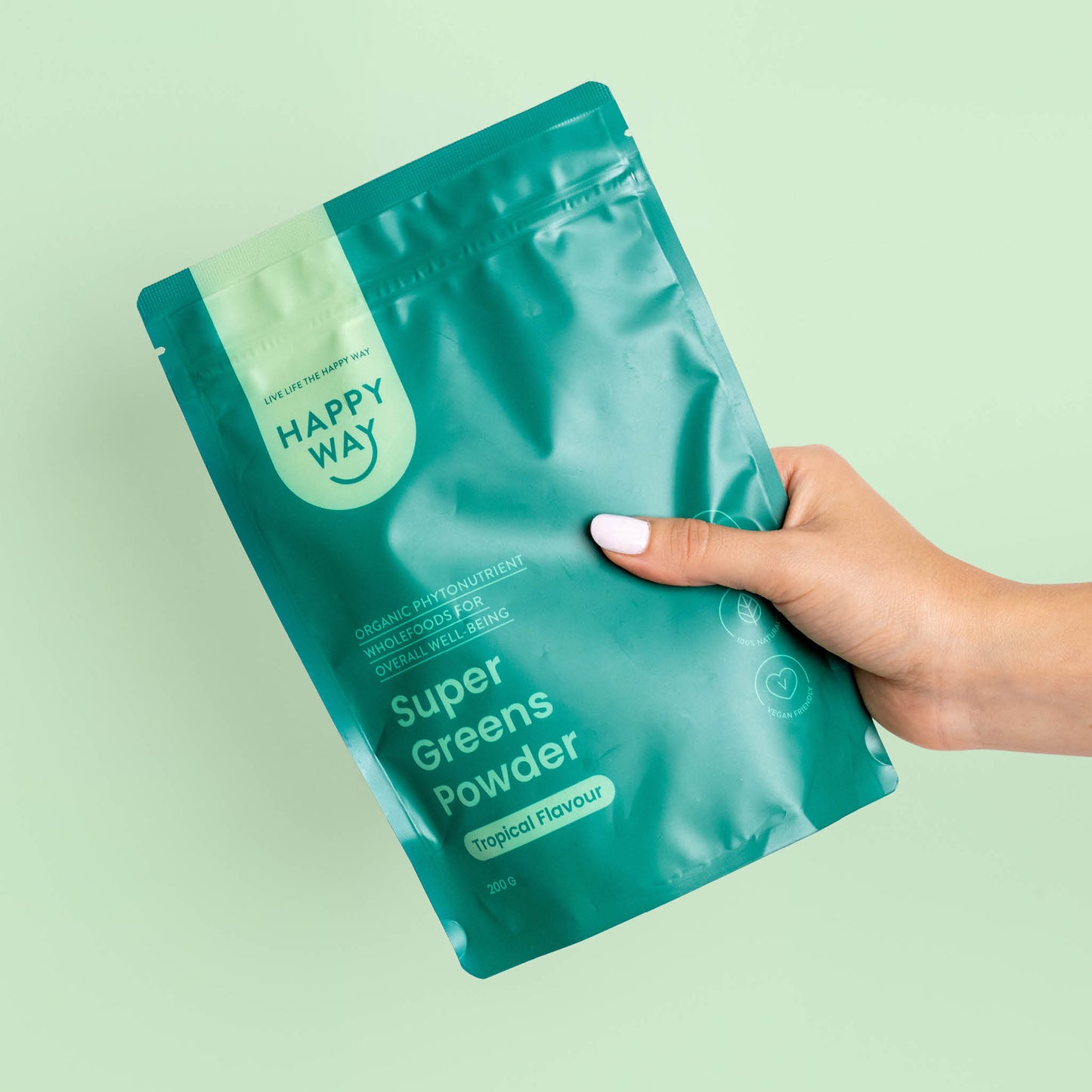
Happy Way Greens and Reds Powder can also be a convenient option to help increase
overall nutrient intake, particularly during busy periods when fruit and vegetable
intake may be lower than usual.
IF YOU'RE CONSTANTLY RUN DOWN...
If you feel like you're always exhausted, constantly getting sick, or struggling with low energy during winter, it may be worth looking at the bigger picture rather than just relying on supplements alone.
Ask yourself:
- Am I eating enough protein?
- Am I skipping meals?
- How is my sleep quality?
- Am I hydrated?
- Am I constantly stressed or overstimulated?
- Am I eating enough colourful whole foods?
Sometimes the basics make the biggest difference.
Winter wellness isn’t about perfection. It’s about supporting your body consistently with nourishment, rest, hydration, and realistic habits that fit into real life.
Heidi x

This article is for general educational purposes only and is not intended to replace
personalised medical or healthcare advice. Please consult your healthcare
practitioner for individual support.